
The United Arab Emirates has announced to quit from OPEC
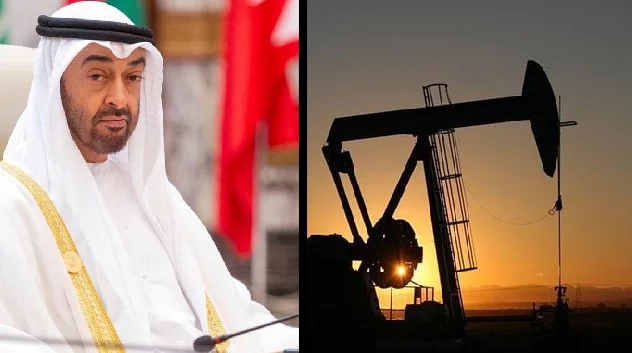
The United Arab Emirates will exit the Organization of the Petroleum Exporting Countries (OPEC) effective May 1, ending 58 years of membership and opening the door to unrestricted oil production beyond current quota limits.The development, first reported by Breaking911, signals a significant shift in global energy dynamics and revives longstanding tensions between theUAE and the cartel over output restrictions.
According to the report, the UAE’s departure will allow it to increase oil production without being bound by OPEC’s coordinated supply agreements.The move could potentially add more barrels to global markets at a time when energy prices remain sensitive to geopolitical and economic pressures.Images accompanying the announcement show UAE President Sheikh Mohammed bin Zayed Al Nahyan alongside a silhouetted oil pumpjack at sunset, symbolically linking national leadership to energy independence.
The UAE has previously expressed frustration with OPEC’s production quotas, arguing that its expanded production capacity was not adequately reflected in assigned output limits.
In past negotiations, Abu Dhabi pushed for higher baseline production levels, creating friction within the alliance. The exit suggests those disagreements may have reached a decisive point.
Energy analysts note that the move could have ripple effects for global oil prices. An increase in UAE production may contribute to downward pressure on prices, depending on market conditions and how other producers respond.